


Mastering pet Training: Tips for Happy Tails and Wagging Butts!
Hey there, fellow fur parents! If you’re anything like me, you know that having a pet brings endless joy and a sprinkle of chaos into your life. Those happy little faces and wagging tails can light up your day, but let’s be real—our furry buddies don’t come with instruction manuals! Whether you’ve got a mischievous puppy or a sassy senior cat, training is the secret ingredient to unleashing their full potential (and keeping your sanity intact).In this article, we’ll dive into some fun and effective training tips that’ll have your pets sitting, staying, and maybe even giving you high-fives in no time. So grab your treats, get comfy, and let’s embark on this paw-some journey to mastering pet training together!
Understanding Your Pup’s Personality for Better Training
Every pup is unique, possessing their own blend of quirks, behaviors, and preferences that shape their personality. Understanding these traits not only helps you connect with your furry friend but also allows you to tailor your training approach for maximum effectiveness. Hear are some aspects to consider:
- Energy Level: Is your dog a hyper ball of energy or a relaxed lap companion? Matching your training frequency to their energy can lead to better results.
- Curiosity: Some dogs love exploring new things while others might shy away. Utilize their curiosity by incorporating interactive toys during training sessions.
- Socialization: Is your pup a social butterfly or a more reserved character? Adjust group training settings to ensure your dog feels comfortable and engaged.
To further refine your approach, consider the following simple traits that might influence training outcomes:
| Personality Trait | Training Focus |
|---|---|
| *Playful* | Incorporate games and rewards to keep sessions fun. |
| *nervous* | Use positive reinforcement slowly to build confidence. |
| *Kind* | Engage with group classes for a social atmosphere. |
| *autonomous* | Focus on short, motivating training sessions that respect their space. |
Essential Commands Every Dog Should Master
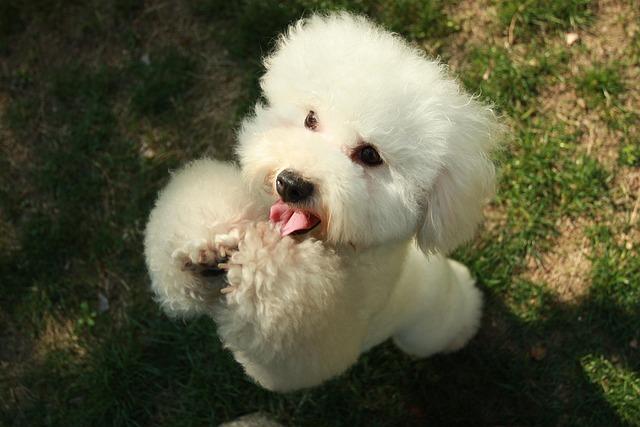
Training your furry friend can be a rewarding experience, but certain commands are particularly essential for their safety and your peace of mind. frist up is the “Sit” command. It’s a foundational cue that not only helps your dog learn impulse control but also prepares them for other commands. Next is “Stay,” which can be a lifesaver in situations where you need your dog to be still, whether it’s at the vet or a busy park. The “Come” command is equally crucial, ensuring that your pup returns to you promptly, especially in high-distraction environments. Mastering these three commands can make all the difference in your daily adventures together!
Additionally, there are a few more commands that every dog should have in their repertoire. The “Down” command is great for calming an excitable dog, while “Leave it” teaches them to ignore distractions that might be harmful, like trash or other animals. For more engaged play, the “Drop it” command is key, ensuring your pup releases items they shouldn’t be chewing on. Here’s a fast reference table summarizing these essential commands and their benefits:
| Command | Benefit |
|---|---|
| Sit | Basic impulse control; helps establish other commands |
| stay | Keeps your dog in place for safety |
| Come | Ensures your dog returns to you promptly |
| Down | Calms an excited dog |
| Leave it | Prevents your dog from picking up harmful items |
| Drop it | Encourages safe play and chewing |
Positive Reinforcement: The Key to a Happy Training Experience
Positive reinforcement is an incredibly effective method that taps into the innate learning capabilities of our furry friends. When you reward desirable behaviors rather than punishing undesirable ones, your pet becomes motivated to repeat those actions. This creates a ripple effect, enhancing the bond between you and your pet. Imagine the joy of seeing your pup working hard to receive a pat, a treat, or a happy “good boy!” every time they follow a command. That excitement and enthusiasm turn training sessions into fun adventures rather than chore-like obligations, leaving your companion feeling empowered and confident.
Using positive reinforcement involves a little creativity and strategy. Here are some tips to get you started:
- Be Consistent: Use the same cues and rewards to avoid confusing your pet.
- Provide Timely Rewards: Offer treats or praise promptly after the desired behavior to reinforce it effectively.
- Mix It Up: Use a variety of rewards—like treats, toys, or extra playtime—to keep things exciting.
- Celebrate Small Wins: Acknowledge every step forward,no matter how small,to build their confidence.
For a better understanding of how to structure your training sessions, check out this simple training approach:
| Time Duration | Activity | Reward |
|---|---|---|
| 5 minutes | Basic Commands (Sit, Stay) | Treats + Praise |
| 10 minutes | Leash Walking Practice | Playtime |
| 15 minutes | Tricks (Roll Over, Shake) | Favorite Toy |
Remember, training should be an enjoyable experience for both of you, and with the right approach, you can cultivate a happy, well-behaved pet!
Common Training Mistakes and How to Avoid Them
Training your pet can be an exciting journey, but it’s easy to fall into common pitfalls that can hinder your progress. One of the most prevalent mistakes is a lack of consistency.If you’re not using the same commands and signals every time, your furry friend will become confused. To avoid this, establish clear rules and stick to them. Make sure everyone in your household is on the same page and uses identical cues. Additionally, patience is crucial; remember that training takes time and persistence. Rushing through sessions or expecting immediate results can lead to frustration for both you and your pet.
Another frequent error is using negative reinforcement or punishment, which can harm your relationship rather than fortify it. Instead, focus on celebrating successes with positive reinforcement, such as treat rewards or praise. This approach not only promotes a deeper bond but also makes the training process enjoyable. If you’re struggling to stay motivated, consider setting up a training schedule to stay on track. Below is a quick reference table to help you identify possible training mistakes and effective solutions:
| Common Mistake | Solution |
|---|---|
| Inconsistent Commands | Establish a uniform command system for everyone to follow. |
| Rushing the Process | Allow time for your pet to learn without pressure. |
| Negative Reinforcement | Use positive reinforcement to encourage good behavior. |
| Lack of Engagement | Incorporate fun activities and games to make training exciting. |
Q&A
mastering Pet Training: Tips for Happy Tails and Wagging Butts!
Q1: Why is training my pet crucial?
A1: Training isn’t just about teaching your pet to sit or stay; it’s about communication and building a strong bond! A well-trained pet is safer,more confident,and easier to manage. Plus, nothing beats the joy of seeing your fur baby wagging its tail in excitement because they understand what you want!
Q2: How do I start training my pet?
A2: Start with the basics! Keep it simple and focus on one command at a time, like “sit” or “come.” Choose a quiet spot with minimal distractions, and use plenty of positive reinforcement—treats, belly rubs, or a game of fetch! Make it a fun experience for both of you!
Q3: what’s the best way to handle unwanted behaviors?
A3: Ah, the classic “why did you chew my shoe?!” scenario! When your pet exhibits unwanted behaviors, it’s crucial to redirect their attention rather than punish. Such as, if your pup is gnawing on the couch, divert them to their toy and praise them for playing appropriately. Consistency and patience are key!
Q4: How often should I train my pet?
A4: Short and sweet training sessions are your best friend! Aim for 5-10 minutes, a few times a day.Pets (especially puppies) have short attention spans, so keep it fun, fast, and frequent! As they grasp commands, you can mix in longer sessions with new tricks.
Q5: What’s the deal with positive reinforcement?
A5: Positive reinforcement is all about encouragement! Rather of scolding your pet for mistakes, reward them for the good stuff. Did they sit when you asked? Throw a treat their way! This approach not only helps them learn better but also makes training a blast, filled with wagging tails and happy barks!
Q6: Do different breeds require different training methods?
A6: Absolutely! Every breed has its quirks and personalities. For instance, herding breeds like Border Collies might need more mental stimulation, while brachycephalic breeds, like Bulldogs, might prefer a chill approach. Tailor your training to fit your pet’s unique style—think of it as creating a custom training menu!
Q7: Any tips for dealing with distractions during training?
A7: distractions are the nemesis of good training! To help your pet focus, find a quiet place at first. Over time,gradually introduce distractions in a controlled manner (like training in the backyard with kids playing nearby). Reward them for staying attentive and being patient—before you know it, they’ll be pros at ignoring squirrels!
Q8: How do I know if my pet is learning?
A8: Watch for those happy tails! if your pet responds correctly to your commands consistently, that’s a big win! They might also show signs of excitement when they hear you start training or leap into action when given a command. Remember, progress might potentially be slow sometimes, but every wag is a step in the right direction!
Q9: What should I do if I’m struggling with training?
A9: Don’t sweat it! Training can be challenging—both for you and your pet! If you’re feeling overwhelmed, consider enrolling in a local training class or consulting a professional trainer. They can offer helpful insights and techniques tailored to your specific situation. And remember, patience is your best training tool!
Q10: Any final words of wisdom for new pet parents?
A10: Enjoy the journey! There will be hiccups, but those messy moments make for the best stories. Training is just one part of pet parenthood. Celebrate those “little victories,” keep the sessions light-hearted, and embrace the crazy, funny, and lovable personality of your pet. Happy training, and may your tails wag forever! 🐾✨
—
And there you have it! Get ready to embark on an exciting adventure in pet training. Your furry friend will thank you with every wag and snuggle!
Future Outlook
And there you have it, pet lovers! The paws-itively perfect guide to mastering pet training and ensuring those tails are wagging and spirits are high.Remember, training is just as much about building a bond with your furry friend as it is indeed about teaching commands. With patience, positivity, and a few tasty treats, you’ll be well on your way to a well-behaved buddy who’s ready for all of life’s adventures by your side.
So grab that leash,put on your training cap,and get ready for some fun-filled bonding time—your pup is going to absolutely love it! Got any training tips or success stories of your own? We’d love to hear them! Share your experiences in the comments below,and let’s build a community of happy tails together. Until next time, happy training and give those fur babies a scratch behind the ears from us! 🐾❤️