


Mastering Pet Training: Fun Tips for Pawesome Results!
Hey there, fellow pet lovers! 🐾 Whether you’ve just welcomed a furry friend into your life or you’re a seasoned pet parent, you know that training is a critical part of building a happy home. But let’s be honest – the thought of dog tricks and cat commands can sometimes feel like a daunting task. Fear not! We’re here to turn that training frown upside down! In this article, we’re diving into the world of pet training with a twist of fun and a sprinkle of laughter. From clever hacks that’ll have your pup fetching on command to playful methods for getting your kitty to stop scaling the curtains, we’ve got the scoop on how to turn training sessions into exciting bonding experiences.So grab your treats and let’s get started on this pawsome adventure together! 🐶🐱✨
Getting Started with the Basics: Building a Strong Foundation
To embark on your pet training adventure, it’s crucial to establish a solid foundation. Start by creating a positive environment where both you and your furry friend feel cozy.Use consistent cues and commands so your pet can easily understand what you’re asking. Such as, choose a specific word for each command—like “sit” or “stay”—and stick to it. this consistency helps your pet learn faster and ensures that everyone in your household is on the same page.You can also introduce fun training games that keep your pet engaged and excited about learning.
Next, focus on the basics of pet behavior.Start with these essential training concepts:
- Reinforcement: Reward good behavior with treats or praise to encourage repetition.
- Socialization: Expose your pet to different people, environments, and other animals to build confidence.
- Patience: Understand that every pet learns at their own pace, so don’t rush the process.
- Consistency: Practice regularly to reinforce lessons and ensure your pet remembers what they’ve learned.
| Training Tip | Description |
|---|---|
| Start Small | Begin with simple commands before progressing to more complex behaviors. |
| Use High-Value Treats | Find your pet’s favorite snacks to keep motivation high during training. |
| Keep Sessions Short | Aim for short, frequent sessions (5-10 mins) to maintain focus and prevent frustration. |
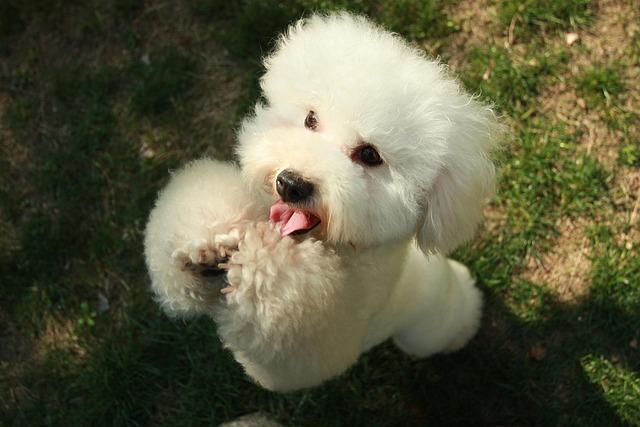
Fun and Games: Turning Training into Playtime
Who says training has to be boring? Transform your training sessions into a delightful mix of play and learning! Incorporate games like fetch, hide and seek, or even agility courses to keep your furry friend engaged and eager to learn. Reward-based training is a fantastic way to enhance the fun—every successful command can be followed by a treat or a swift play session. Keep training activities short and sweet, ideally around 5-10 minutes, to maintain your pet’s interest. The key is to create a positive association with training,making them look forward to these sessions.
Get creative with interactive puzzles that challenge your pet both mentally and physically. These can range from treat-dispensing toys to homemade obstacle courses using everyday household items.Here are some simple ideas to spice up your training playtime:
- Obstacle Course: Set up a course using chairs,cushions,and tunnels for your pet to navigate.
- Treasure Hunt: Hide treats around the house and encourage your pet to sniff them out.
- Follow the Leader: Teach your pet to mimic your movements for added fun!
Positive Reinforcement Techniques: Rewarding Good Behavior
Training your furry friend can be a delightful experience, especially when you incorporate positive reinforcement techniques. This method focuses on rewarding good behavior rather than punishing undesirable actions, creating a fun and engaging atmosphere for both you and your pet. Using treats, praise, or playtime as rewards makes training sessions more enjoyable. Remember to keep the rewards high-value, especially when you’re teaching new commands—something your pup truly loves will keep their focus locked in!
To keep things organized and effective, consider implementing a simple reward chart to track your pet’s progress. This can help you identify what motivates them best and tailor your training sessions accordingly. Check out the example table below for a quick reference on different rewards:
| Reward Type | Examples | Motivation Level |
|---|---|---|
| Food Treats | cheese bits, chicken, commercial treats | High |
| affection | Petting, belly rubs, petting | Medium |
| Playtime | Fetch, tug-of-war, trips to the park | very High |
By using a mix of these reward types—and paying attention to what excites your pet—you’ll foster positive behaviors quickly and effectively. Consistency is key, so make sure to reward immediatly after your pet performs the desired behavior to reinforce the connection between their actions and the rewards. Happy training!
Common Challenges and Creative solutions to Tackle Them
Training your pet can sometimes feel like trying to solve a complex puzzle. Common challenges include a pet’s short attention span, various behavioral issues, and environmental distractions. Luckily, there are creative solutions that can turn training sessions into fun and engaging experiences! Here are a few ideas to consider:
- Use toys and treats as rewards to keep your pet motivated and focused.
- Break down commands into smaller parts, making it easier for your furry friend to grasp what you’re asking.
- Schedule training sessions during times when your pet is the most energetic and attentive.
- Incorporate play into training to make it more enjoyable, like training fetch as a way to teach recall.
another challenge many pet owners face is consistency. Without a routine,pets can become confused about expectations. To combat this, try establishing a training schedule that aligns with your daily routine. Additionally, using a visual progress chart can help you see your pet’s enhancement and keep you both motivated. Here’s a simple table to track your training milestones:
| Command | Success Rate (%) | Training Date | Notes |
|---|---|---|---|
| Sit | 90% | 10/01/2023 | Responds well with treats. |
| Stay | 70% | 10/05/2023 | Working on distance. |
| come | 50% | 10/10/2023 | needs more distraction training. |
Q&A
Q&A: Mastering Pet Training: Fun Tips for Pawesome Results!
Q: What’s the first step to effective pet training?
A: The first step is bonding! Spend quality time with your furry friend—play, cuddle, or go for walks. A strong bond makes your pet more willing to learn from you. Remember, training should be a fun experience for both you and your pet!
Q: How can I make training sessions more enjoyable?
A: Keep it short and sweet! Aim for 5-10 minute sessions and end on a high note. Use lots of praise, treats, and maybe even a little playtime as a reward. Mixing in games keeps them excited about learning!
Q: Are there certain commands I should start with?
A: Absolutely! Start with the classics: “Sit,” “Stay,” “Come,” and “Leave it.” These foundational commands are super useful and will set the stage for more advanced training down the line. Plus, they’re easy to teach with a little patience and lots of treats!
Q: What’s the best way to deal with stubborn pets?
A: Stubbornness can be a challenge, but don’t worry! Try using different rewards. Some pets might be more motivated by toys than treats, or vice versa. If they’re still not budging, take a step back and switch up your approach or environment!
Q: How vital is consistency in training?
A: Consistency is key! Make sure that everyone in the household uses the same commands and training methods. Mixed signals can confuse your pet, so try to stay on the same page. You’re the leader of the pack—you’ve got to set the rules!
Q: Any tips for socializing my pet?
A: Yes! Start socializing your pet early and often. Introduce them to different environments, other pets, and diverse groups of people. Positive experiences you create during socialization can help your pet develop into a well-rounded furry friend.
Q: What if my pet doesn’t respond to training?
A: If your pet isn’t responding,don’t lose hope! Check for distractions in the environment or see if they’re feeling unwell. Sometimes, breaking down the command into smaller steps or going back to basics can do wonders. If all else fails, consider enlisting the help of a professional trainer!
Q: How can I keep up my pet’s interest in training over time?
A: Keep things fresh! Change up the commands, try new tricks, and introduce fun challenges. Create little training games or puzzles to stimulate their minds. And don’t forget to celebrate achievements—big or small—with a little dance party or extra playtime!
Q: Any final advice for newbie pet trainers?
A: Enjoy the process! Training is a journey, not a race. Celebrate those little victories, be patient, and remember to have fun! Your pet will appreciate the love and effort you put into building a happy, trained companion. Now, go out there and rock that training! 🐾✨
Wrapping Up
And there you have it, folks! With these fun tips in your training toolkit, you’re all set to turn your furry friend into a well-mannered companion that everyone admires.Remember, training should be a bonding experience, filled with laughs and tail wags. So don’t stress if things don’t go perfectly right away—after all, every dog has its quirks!
Keep the treats handy, stay patient, and most importantly, enjoy the journey. Your happy pup is just as eager to learn as you are to teach! If you’ve got any tips or hilarious training stories, drop them in the comments below. We’d love to hear how your adventures in pet training are going. Until next time, happy training! 🐾✨