

hey ther, fellow pet lovers! 🐾 Whether you’re the proud parent of a mischievous pup or a curious kitty, we all know that a well-trained pet is a happy pet.But let’s be real—training can sometimes feel like a drag, right? That’s where our fun tips come to the rescue! In this article, we’ll dive into some playful and effective training techniques that will not only help your furry friend master their manners but also make the whole experience a blast for both of you. So grab those treats,put on your favorite tunes,and let’s turn training time into playtime! Happy paws are just a wag away! 🐶✨
Unleashing the Joy: Understanding Your Pet’s Unique Personality
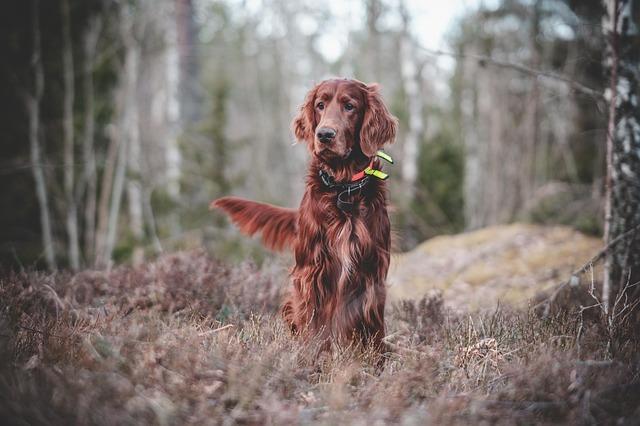
Every pet is a delightful bundle of quirks and charms, and understanding their individual personality can lead to a stronger bond and more effective training. Just like us, pets have their own unique traits, which can range from the exuberant goofball to the shy observer. To decode your pet’s personality, pay attention to their behaviors—this might include their energy levels, social interactions, and play styles. Creating a tailored approach to training based on these traits can yield remarkable results, making learning fun and engaging for both you and your furry friend.
Here are some fun ways to embrace your pet’s distinct personality:
- High-Energy Dogs: Incorporate active play sessions and interactive toys to keep them engaged.
- Laid-Back Cats: Use gentle techniques, like clicker training, to encourage slow-paced learning.
- Curious Rabbits: set up obstacle courses for them to explore, tapping into their adventurous side.
- Shy Pets: Respect their space, using positive reinforcement to gradually encourage interaction.
To help you get started, here’s a swift reference table for training tips based on your pet’s personality:
| Personality Type | Training Tip |
|---|---|
| High-Energy | Frequent, short training sessions with lots of movement. |
| Laid-Back | longer sessions with plenty of praise and relaxing breaks. |
| Curious | Explore with rewards hidden around the house or yard. |
| Shy | Introduce commands slowly, using calm tones and treats. |
Pawsitive Reinforcement: Creative Techniques to Shape Good Behavior
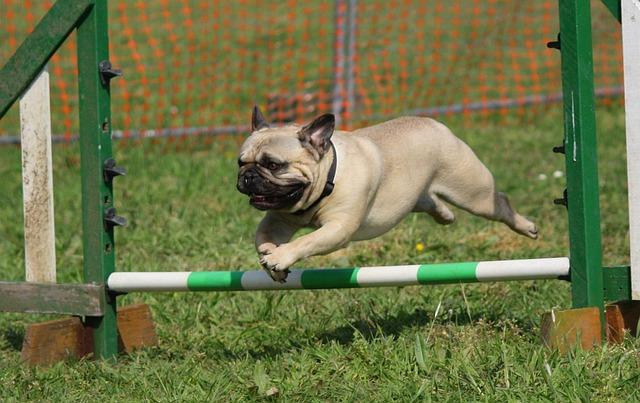
Training your furry friend can be a fun adventure when you incorporate creative techniques that embrace the power of positive reinforcement. Instead of focusing on discipline, turn your training sessions into a game that emphasizes rewards for good behavior. Consider using a clicker to mark the exact moment your pet performs the desired action, immediately followed by a tasty treat. This method helps them connect the dots between their good behavior and the rewards thay love:
- Treats: Keep bite-sized treats handy to reinforce good actions.
- Praise: Don’t underestimate the power of a happy voice and loving touch!
- Play: Use their favorite toy as a reward to make training even more exciting.
To add a twist, create a training schedule using colorful charts and playful stickers to track progress. Visual rewards can boost motivation for both you and your pet. Here’s a simple table showcasing a training week plan that can keep everyone engaged:
| Day | Skill to Practise | Reward |
|---|---|---|
| Monday | Sit | Playtime with a favorite toy |
| Wednesday | Stay | Tasty treats |
| Friday | Come | Praise and cuddles |
Remember, the key to effective training is patience and consistency. Celebrate small victories along the way, and you’ll cultivate a loving bond while shaping your pet’s good behavior!
Playtime Perfection: Fun Games to Boost Training and Bonding
Finding the right games to incorporate into your pet’s training routine can transform mundane practice into exciting bonding moments. Here are some engaging activities that make learning enjoyable for both you and your furry friend:
- treasure Hunt: Hide treats around your house or yard and guide your pet to sniff them out.Not only does this stimulate their mind, but it also strengthens their scent-tracking abilities.
- Simon Says: Turn basic commands into a playful challenge. Give commands like “sit,” “stay,” or “spin,” and reward them when they follow your lead. It’s a great way to enhance their obedience while having a ton of fun!
- Obstacle Course: Set up a mini obstacle course using household items. Jumping over broomsticks or weaving through chairs can improve agility and make your training sessions lively.
engaging in games like these not only boosts training but also fosters a deeper connection. Consider mixing in a few interactive toys that promote play and learning. Here’s a quick look at some popular options:
| game | Description | Benefit |
|---|---|---|
| Tug-of-War | A classic game using a rope or a sturdy toy. | Builds strength and teaches impulse control. |
| Fetch | Throw a ball and have your pup bring it back. | Encourages physical activity and recall training. |
| Hide and Seek | Hide somewhere in the house and call your pet. | Enhances problem-solving and reinforces commands. |
The Power of Consistency: Tips for Sticking to Your Training Goals
Another effective strategy is to celebrate the small victories along the way. Reward yourself and your pet for achieving milestones, no matter how minor they may seem. This could be as simple as treating your furry friend with their favorite snack or a fun play session after mastering a new trick. Here are a few ideas to keep your training sessions engaging and motivating:
- Incorporate fun themes for your training days,like “Tug-o-war Tuesday.”
- Use interactive toys or puzzles that challenge your pet while keeping them entertained.
- Join a community or local group where you can share your goals and celebrate progress together.
Q&A
Q&A: Mastering Pet Training: Fun Tips for Happy Paws!
Q: Why is training my pet so important?
A: Great question! Training your pet isn’t just about teaching them to sit or stay (although those are essential skills).It strengthens your bond, ensures safety, and helps your furball become a well-mannered member of the family. Plus, a well-trained pet is a happy pet!
Q: How do I start training my puppy?
A: Start with the basics! Keep your training sessions short and fun—think of it as playtime with a purpose. Use simple commands like “sit,” “come,” and “leave it.” remember to reward them with treats, praise, or their favorite toy. Positive reinforcement works wonders!
Q: What if my pet doesn’t seem interested in training?
A: Not every pet is a training superstar right away! Make it enticing. Try incorporating their favorite toys or treats into the session. You might also need to experiment with different times of day. Some pets are more focused in the morning, while others are ready to learn after a good nap!
Q: How can I make training more fun for both of us?
A: Spice things up! You could turn training into a game. Play hide and seek with commands, or set up an obstacle course in your backyard. Adding variety keeps your pet engaged and makes you both look forward to training sessions.
Q: What’s the best way to handle accidents or mistakes during training?
A: Oh, don’t sweat it! mistakes are part of the learning process. Instead of getting frustrated, redirect their focus back to what you want them to do. Use positive reinforcement techniques to encourage the right behavior, and remember, patience is key!
Q: Are there any tricks I can teach my pet that sound hard but are easy to learn?
A: Absolutely! Tricks like “roll over” or “play dead” can sound complex but are quite simple once your pet masters the basics. Just break them down into smaller steps and celebrate each victory! You can also look up video tutorials for visual aid—who doesn’t love a little inspiration from the pros?
Q: Should I train my adult pet, or is it too late?
A: It’s never too late to train! Adult pets can learn just as quickly as puppies; they might just need a little more patience (and maybe some more tempting treats). Creating a positive environment for training can work wonders, regardless of your pet’s age.Q: What’s the moast critically important thing to remember while training?
A: Consistency! Stick to a schedule and use the same commands and cues to avoid confusion. And don’t forget to shower them with love and positivity. It’s a journey for both you and your pet, so enjoy the ride and keep it light-hearted!
Q: Any final tips for mastering pet training?
A: sure thing! Focus on building a strong bond with your pet, keep sessions fun and engaging, and don’t forget to celebrate every little success. And maybe invest in a clicker—those little gadgets can make a big difference in dialogue. Happy training! 🐾
Concluding Remarks
And there you have it, pet parents! With these tips in your training toolbox, you’re well on your way to mastering the art of pet training while keeping things fun for both you and your furry friend. Remember, patience is key, and every little victory counts—celebrate those small wins!
So, grab some treats, put on that positive vibe, and get ready for some tail-wagging adventure in your training sessions. Whether your buddy is a mischievous pup or a wise old cat, it’s all about building trust and having a blast together. Don’t forget to share your training stories and successes in the comments below; we’d love to hear how you and your furball are bonding over some fun training antics.Until next time, keep those paws happy and those tails wagging. happy training! 🐾💕