


Get Your Fur Baby In Line: Fun Tips for training Pets!
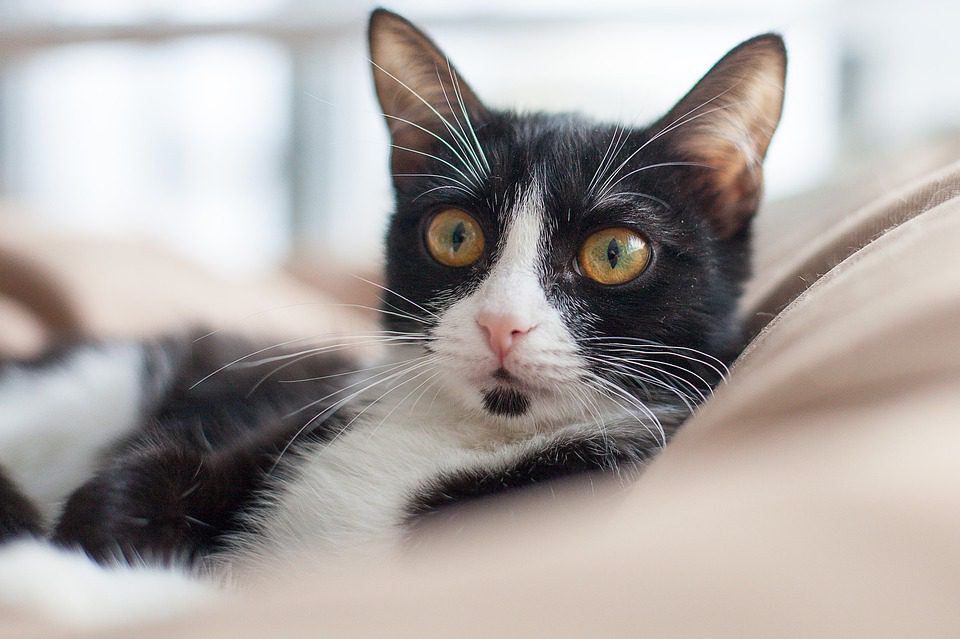
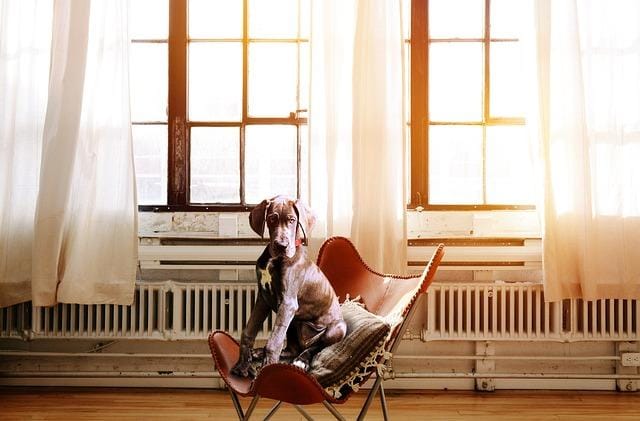
Hey there, fellow pet parents! 🐾 If you’re anything like us, your furry friend is basically a child with fur and four legs. While they bring endless joy (and a fair share of chaos) into our lives, training our pets can sometimes feel like herding cats (literally). But fear not! Training doesn’t have to be a boring grind-it can be a delightful adventure for both you and your fur baby! Whether you’ve got a mischievous puppy who thinks your shoes are chew toys, a sassy kitty who refuses to follow any command, or a hamster plotting world domination, we’ve got you covered. Grab some treats, roll up those sleeves, and let’s dive into some fun and fabulous tips to get your fur baby in line while keeping those tails wagging and whiskers twitching! Ready? Let’s jump in! 🎉🐶🐱
Understanding Your Pet’s Personality for Effective Training
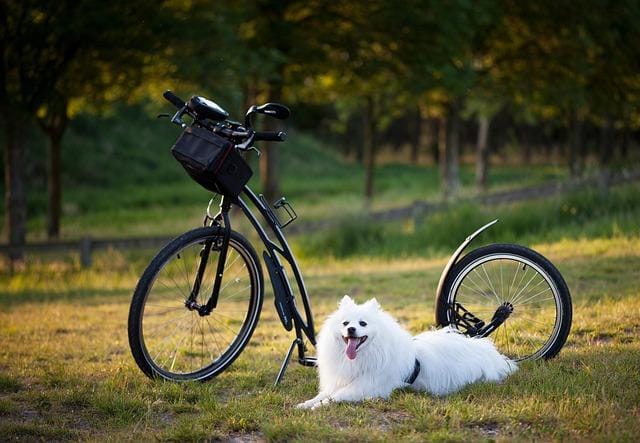
Every pet, just like every human, brings a unique personality into your life. Understanding these traits can make all the difference in your training approach. As an example, a high-energy dog might thrive on play-based learning, while a calm cat might respond better to gentle and patient techniques. By recognizing whether your pet is more of a dominant, submissive, or independant personality type, you can tailor your training sessions to match their natural inclinations. Here are a few key personality traits to consider:
- Social butterflies: Eager to please and love interaction. Use positive reinforcement!
- Lone Rangers: Enjoy solitude. Incorporate more solo activities into training.
- Curious Explorers: Love to investigate.Use treats to engage their wandering minds.
in addition, your pet’s background plays a crucial role in shaping their behavior. Rescue animals may have specific fears or anxieties that were developed due to past experiences. To help your furry friend thrive, consider making a simple training table to track their progress based on personality traits:
| Personality Trait | Recommended Training Approach |
|---|---|
| High Energy | Interactive games and agility drills |
| Timid | Gentle encouragement and a safe space |
| Bold | Structured routines with clear boundaries |
By adjusting your training methods to suit your pet’s personality, you’ll not only improve their responses but also strengthen your bond. Remember, a happy pet is a well-trained pet!
Playtime as the Ultimate Training Tool
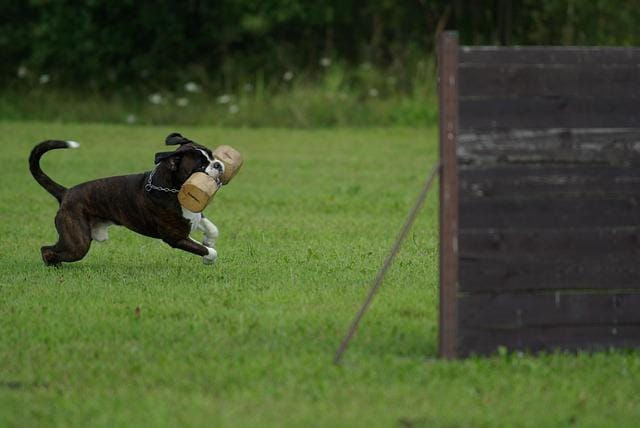
When it comes to training your beloved fur baby, think of playtime as your secret weapon! Engaging your pet in fun activities can be a fantastic way to reinforce desired behaviors without the stress of a traditional training session. By incorporating games and positive interactions, you can create a joyful learning environment that encourages your pet to soak up the lessons you want to impart.The key is to balance fun with purpose,transforming ordinary play into an prospect to teach.
Here are some playful ideas to turn training into a game:
- Hide and Seek: Teach your pet to stay while you hide, then call them to find you. This boosts their recall skills in an exciting way!
- Tug of War: Incorporate commands like “drop it” and “take it” during play, reinforcing good behavior while they enjoy some tugging fun!
- Obstacle Course: Set up a mini agility course with household items and teach them commands as they navigate the course for treats.
- Fetch with a Twist: Modify fetch by using commands to get the item,adding an element of training while they chase down their favorite toys.
| Game | Training Focus |
|---|---|
| Hide and Seek | Recall |
| Tug of War | Impulse Control |
| Obstacle Course | Agility and Command Recognition |
| Fetch with a Twist | command Reinforcement |
By using play as a vehicle for training, you’re not just teaching your pet; you’re building a stronger bond that enriches your relationship.The laughter, excitement, and tail-wagging enthusiasm will not only enhance the learning process but will also ensure that both of you look forward to those precious moments together. Remember, a happy pet is a well-trained pet!
Tips for Consistent Commands and Positive Reinforcement
Training your furry companion can be a delightful experience, especially when you stick to consistent commands that your pet can easily recognize. Using simple and clear verbal cues like “sit,” “stay,” and “come” can make a world of difference. Here are some key points to keep in mind:
- Use the same command each time for the same action.
- Be patient and repeat the commands consistently.
- Incorporate hand signals to complement your verbal commands.
Positive reinforcement goes hand in paw with consistency. When your pet correctly follows a command, rewarding them with a treat, praise, or playtime strengthens their understanding and encourages them to repeat the behavior. Consider creating a reward chart to track their progress and keep things fun:
| Command | Reward |
|---|---|
| Sit | Small Treat |
| Stay | Praise & Petting |
| Come | Playtime with Favorite Toy |
Remember, celebrating the small victories keeps both you and your pet motivated and eager to learn more. So grab those treats and enjoy the training journey together!
Creative Tricks to Keep Learning Fun and Engaging
training your pet doesn’t have to feel like a chore. You can incorporate playful elements that make learning interesting for both you and your furry friend. As a notable example, try turning training sessions into games.Teach them commands using treats as rewards while they perform fun tricks like agility courses or hide-and-seek. This not only encourages active participation but also helps maintain their focus and enthusiasm during the training process. use interactive toys that dispense treats when your pet performs well; this creates an element of surprise and excitement!
Another great way to keep things lively is to incorporate music and dance into your training routine. pets often respond positively to rhythm, so why not create a fun playlist that accompanies your sessions? You can even choreograph little dance routines that involve specific commands, turning that teaching moment into a mini dance party! Additionally, consider rotating locations for your training; whether it’s the backyard, a park, or even in the living room, changing the scenery stimulates their curiosity and eagerness to learn. Remember, pets thrive on consistency, but a little variety can spice up the learning process!
Q&A
Q: Why is training my pet important?
A: Training your pet isn’t just about teaching them to sit or stay – it’s about building a strong bond, enhancing their behavior, and ensuring they’re safe. A well-trained fur baby is a happier pet and a more relaxed owner!
Q: What’s the best way to start training my pet?
A: Start with the basics! Teaching simple commands like “sit,” “stay,” and “come” can lay the groundwork for more advanced tricks. Make sure you have some yummy treats on hand – they work like magic!
Q: How do I keep my pet engaged during training?
A: Keep training sessions short and fun! Aim for about 5-10 minutes,then take a break for playtime or a quick cuddle. Use toys, treats, and lots of praise to keep their interest piqued!
Q: What if my pet is not responding to training?
A: Patience is key! Sometimes pets need a little more time to get the hang of things. Make sure you’re using positive reinforcement; always reward good behavior. If you find they’re really struggling, consider breaking the command down into smaller steps.
Q: Are there specific commands I should teach my pet first?
A: Absolutely! Focus on the commands that will help keep your fur baby safe and well-mannered. “Come,” “leave it,” and “down” are great foundational commands that can benefit them in many situations.
Q: Can I train my older pet, or is it only for puppies?
A: It’s never too late for training! Older pets can learn just as easily as younger ones – they might just take a bit longer to adjust. Plus, training is a fantastic way to give them mental stimulation!
Q: How can I incorporate training into our daily routine?
A: Turn everyday moments into training opportunities! Practice commands during walks, at mealtime, or even during play. The more you integrate it into their daily life, the more they’ll learn!
Q: What are some fun tricks I can teach my pet?
A: Get creative! Tricks like “roll over,” “play dead,” or even “dance” can be a blast to teach and show off! Just remember to keep it light-hearted; the goal is to have fun together!
Q: What should I do if my pet gets frustrated or distracted?
A: Don’t sweat it! Sometimes pets need a little break. If they seem frustrated,stop and play with them for a bit,then come back to training later. Remember,it’s all about positive vibes!
Q: Can group classes help with training?
A: Totally! Group classes are not only a great way to learn from a pro,but they also give your pet the chance to socialize with others. Plus, it can be super fun for both of you!
Q: Any final tips for training my fur baby?
A: Just have fun with it! Every pet is unique, so find what works best for yours. Celebrate the small victories and enjoy the journey together. Happy training! 🐾
To Conclude
And there you have it, folks! With these fun tips and a sprinkle of patience, you’ll be well on your way to making your fur baby the most well-behaved pet on the block. Remember, training isn’t just about teaching commands; it’s about bonding, having fun, and creating those precious moments together. So grab those treats, get ready for some playtime, and embrace the adventure that is pet training. Your little buddy is counting on you, and trust us: the rewards (those puppy eyes and purring cuddles) are totally worth it! Happy training, and may your home be filled with wagging tails and happy meows! 🐾✨